Egypt: A Legacy of Agriculture and Global Trade
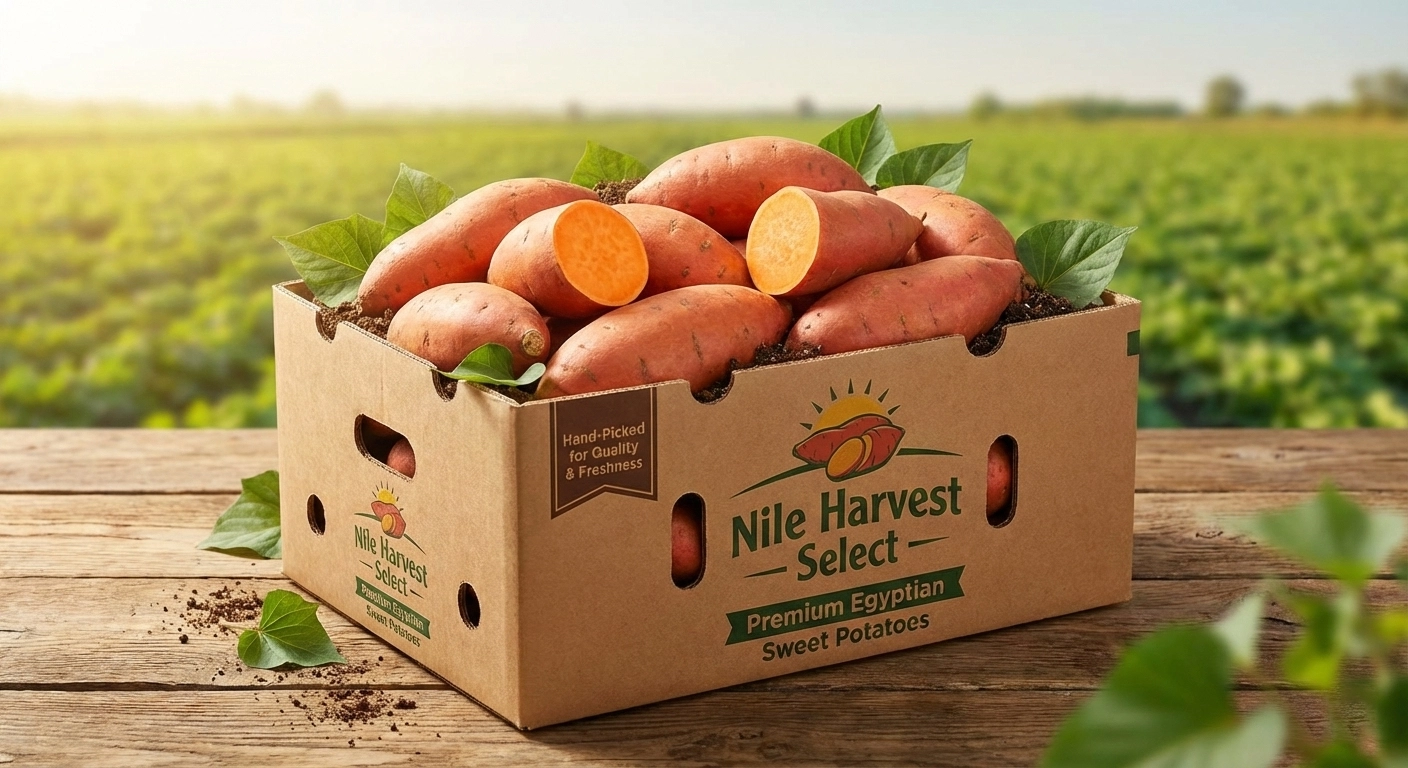
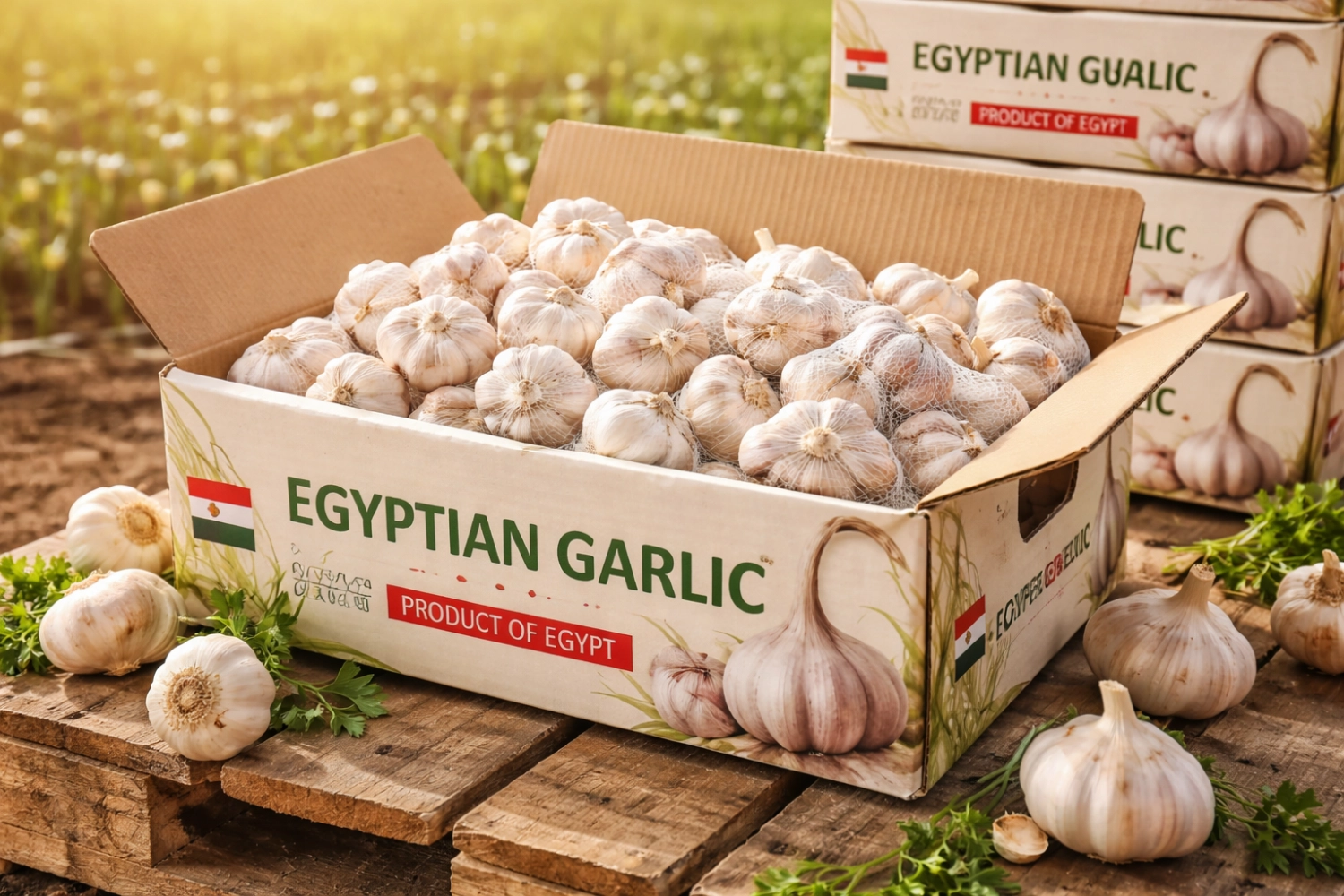
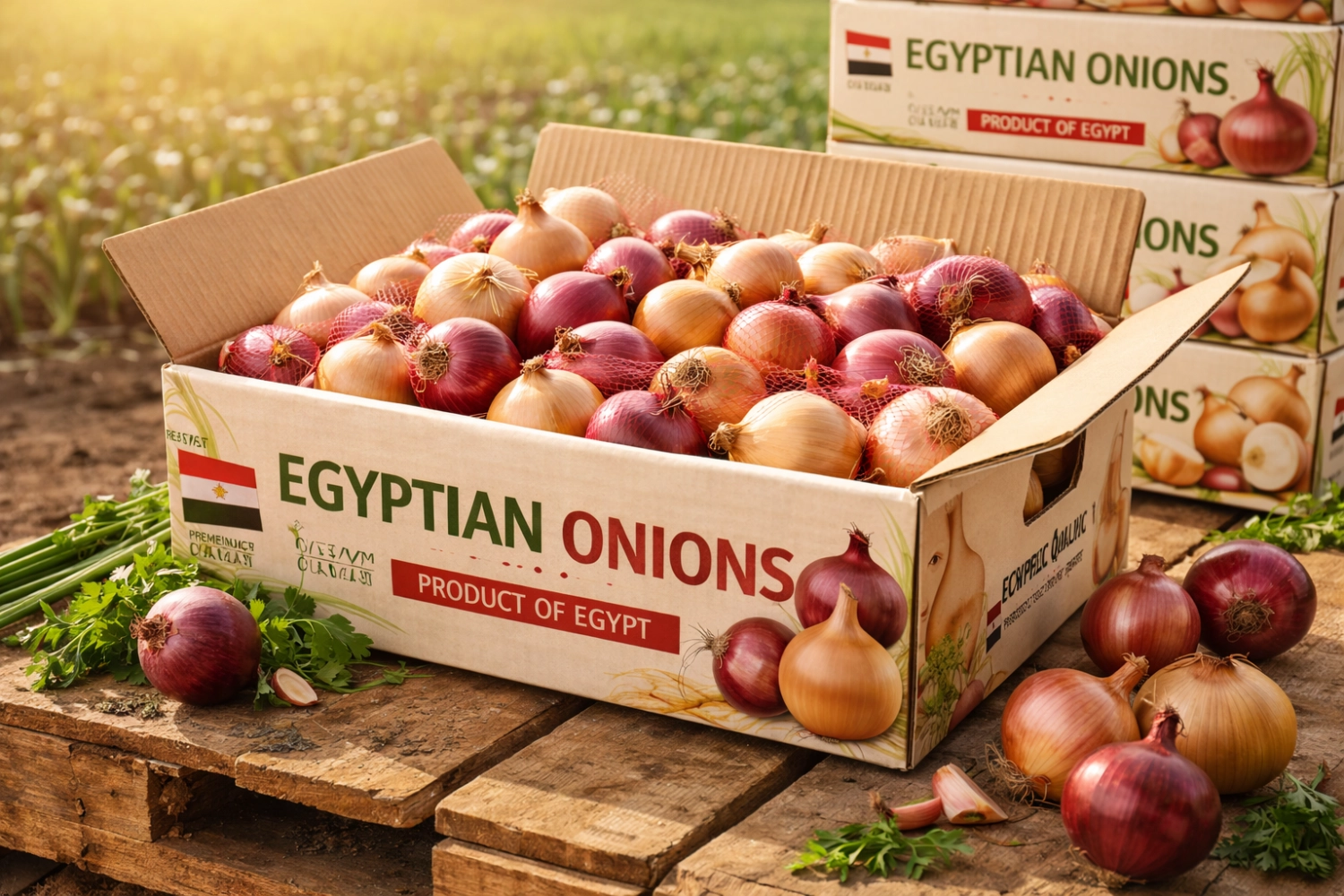
Egypt has long been celebrated for its rich agricultural heritage and its pivotal role in the global trade of fruits and vegetables. Nestled along the fertile banks of the Nile River, Egypt’s lands have provided food and prosperity for thousands of years, shaping civilizations and feeding communities far beyond its borders.
A Historic Hub of Farming and Trade
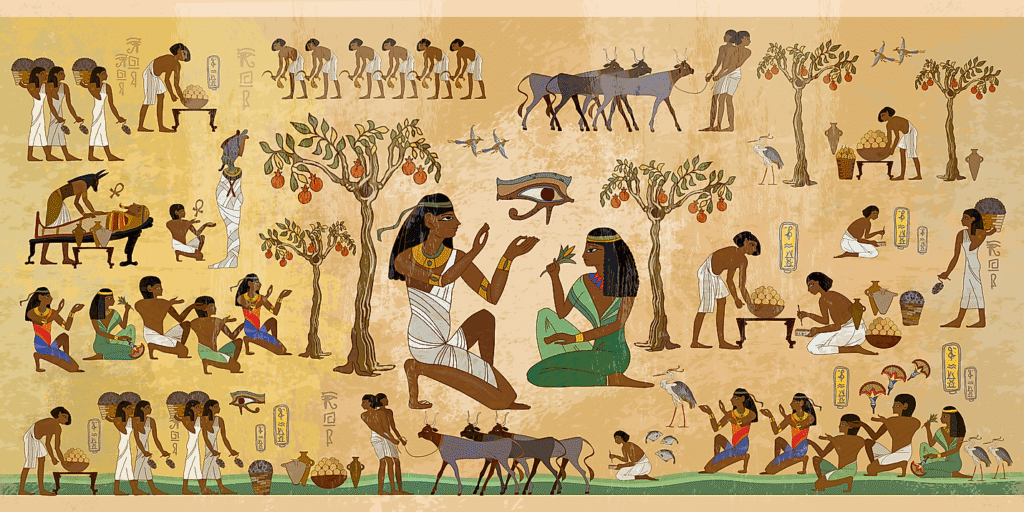
In ancient times, Egypt earned a reputation as a key provider of grains and other crops. The Egyptians cultivated a diverse mix of cereals, fruits, and vegetables that not only nourished the local population but also became valuable commodities in trade networks stretching to the Middle East and beyond. Egypt’s strategic location at the crossroads of Africa, Asia, and Europe made it a natural center for commerce. Merchants traveling important trade routes, including the Silk Road and the Incense Route, relied on Egypt as a key stop to exchange spices, textiles, and agricultural goods.
Agricultural Advancements Through the Ages
Following the Arab conquest in the 7th century, agriculture in Egypt experienced renewed progress. Arab settlers brought innovative farming methods and introduced new crops, including citrus fruits and cotton, which thrived in Egypt’s warm climate and fertile soils.
Modern Agriculture and Export Growth
Advances in irrigation technology, machinery, and crop handling have enabled Egyptian farmers to increase efficiency and compete internationally. Meanwhile, domestic regulations and global trade agreements have expanded market access and facilitated cross-border trade.
Challenges and Sustainable Solutions
Despite its successes, Egypt’s agriculture faces ongoing challenges, including limited water resources, soil erosion, and the impacts of climate change. To address these issues, sustainable farming practices such as drip irrigation and organic cultivation are being widely implemented. These measures not only protect the environment but also ensure the long-term sustainability of Egypt’s vegetable export sector.
Egypt’s Future in Global Agriculture
From its origins as a local agricultural powerhouse to its modern role as a global exporter, Egypt’s agricultural journey demonstrates innovation, resilience, and adaptability. Looking ahead, responsible resource management combined with sustainable development will be essential for continued growth and prosperity in Egypt’s agricultural industry.